In a world where everyone seems to be a budding filmmaker, mastering video editing can set someone apart from the crowd. Imagine transforming raw footage into a cinematic masterpiece that even Hollywood would envy. Whether it’s for personal projects or a future career, a video editing class can unlock the secrets of the editing room and make the magic happen.
But let’s face it: nobody wants to spend hours fumbling through confusing software tutorials. That’s where a structured class comes in, turning chaos into creativity with a sprinkle of fun. With expert guidance and hands-on practice, students can learn to cut, splice, and add those jaw-dropping effects that’ll make viewers say, “Wow, how’d they do that?” So grab your laptop and get ready to dive into the thrilling world of video editing—where every click could lead to your next big project.
Video Editing Class
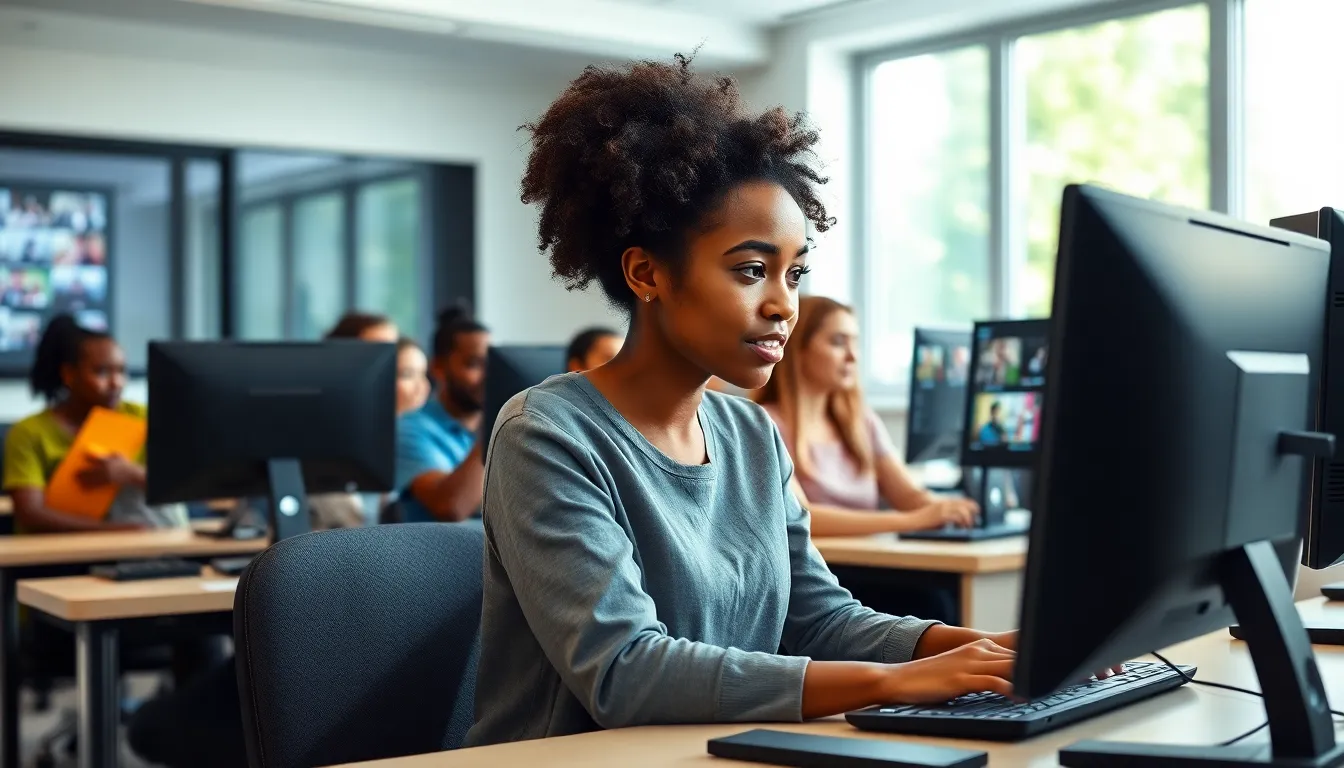
Video editing classes offer a structured learning experience for individuals interested in enhancing their editing skills. These classes cover a range of topics, including software proficiency, storytelling techniques, and visual effects creation. Students often engage in hands-on projects, allowing them to apply theoretical concepts in real-world scenarios.
Learning outcomes from these classes typically include mastering industry-standard software like Adobe Premiere Pro and Final Cut Pro. Understanding the editing process equips individuals to transform raw footage into polished films. Experienced instructors provide valuable feedback, fostering growth and confidence in students.
Classes usually feature a variety of formats, including online tutorials, hands-on workshops, and in-person sessions. Each format allows students to choose a learning style that best suits their needs. Many classes also include collaboration opportunities, enabling students to work on group projects and develop teamwork skills.
Course duration varies significantly, with some lasting a few weeks and others spanning several months. Participants can select according to their schedules and commitment levels. Additionally, many institutions offer flexibility through evening and weekend class options.
The diversity in class content appeals to beginners and advanced editors. Beginners learn fundamental techniques, while advanced students can refine their skills with complex editing strategies. Students can explore subjects like color grading, audio mixing, and motion graphics, making it easy to find specific areas of interest.
Video editing classes serve as an essential resource for aspiring editors, providing a solid foundation in both technical skills and creative storytelling.
Benefits of Taking a Video Editing Class
Video editing classes offer numerous advantages that enhance both technical skills and creative abilities. Participants can expect to gain valuable insights into the world of film and media.
Skill Development
Proficiency in editing software becomes attainable through structured classes. Students learn essential tools like Adobe Premiere Pro and Final Cut Pro. Creative storytelling techniques enhance the ability to convey messages effectively. Practical projects reinforce theoretical concepts, allowing individuals to practice what they’ve learned. Feedback from experienced instructors fosters improvement and builds confidence. Exposure to diverse editing styles broadens perspectives and inspires personal creativity. Mastery of visual effects creation further adds to a student’s skill set. Overall, comprehensive training helps develop a strong foundation in video editing.
Career Opportunities
Job prospects expand significantly with formal video editing training. Many industries, including entertainment, marketing, and education, require skilled editors. Networking opportunities arise during classes, connecting aspiring editors with industry professionals. Portfolio development through class projects showcases individual talents and boosts employability. Many graduates find positions as freelance editors or within production companies. Certification from recognized programs enhances resume credibility, making candidates stand out. Continuous learning fosters adaptability, crucial in an ever-evolving digital landscape. Ultimately, taking a video editing class opens doors to rewarding career paths.
What to Expect in a Video Editing Class
A video editing class offers a structured learning experience that enhances technical skills and creative abilities. Students gain hands-on experience while diving into various aspects of video production.
Curriculum and Course Structure
Curricula often encompass essential topics like video composition, color correction, and audio editing. Structured lessons combine theory with practice so students can apply concepts to real projects. Engaging in group activities encourages collaboration and creative discussions, fostering a supportive learning environment. Instructors introduce advanced editing techniques as students progress, ensuring continuous skill development. Assignments target different editing styles, enhancing adaptability and personal creativity. Overall, a well-rounded curriculum prepares students for real-world editing challenges.
Types of Software Used
Classes commonly focus on industry-standard software including Adobe Premiere Pro and Final Cut Pro. Students learn how to navigate interfaces and utilize editing tools effectively. They also explore additional software options like DaVinci Resolve and Avid Media Composer, broadening their technical capabilities. Exposure to various programs allows students to understand different workflows and choose software that suits their projects. Experienced instructors guide users through practical exercises, reinforcing their software skills. Mastery of these tools significantly enhances students’ editing proficiency and confidence.
Different Formats of Video Editing Classes
Various formats of video editing classes cater to different learning preferences. Students can choose between in-person and online classes, workshops, and short courses, allowing flexibility in their educational journey.
In-Person vs. Online Classes
In-person classes provide a traditional classroom experience with hands-on guidance from instructors. Students benefit from immediate feedback and collaborative learning alongside peers. Online classes, on the other hand, offer convenience and accessibility, which enables learners to manage their schedules better. These classes often include video tutorials and interactive assignments, allowing participants to learn at their own pace. Both formats equip students with essential editing skills, but each appeals differently to individual learning styles.
Workshops and Short Courses
Workshops and short courses focus on targeted skills and concepts in video editing. Workshops, typically lasting a few hours to a couple of days, emphasize practical exercises that foster rapid skill acquisition. Short courses, lasting several weeks, provide more extensive content while still retaining a concentrated focus. These formats can be ideal for those seeking to enhance specific skills or gain new techniques without committing to a full-length class. Each option allows participants to embrace their creative potential on a more flexible schedule.
Conclusion
Embracing the journey of video editing can lead to remarkable personal and professional growth. With the right class, individuals can unlock their creative potential and gain essential skills that are in high demand.
The structured environment of a video editing class not only fosters technical proficiency but also nurtures storytelling abilities. Participants leave equipped with the tools needed to create captivating content and make a mark in the industry.
Whether opting for in-person sessions or online formats, the flexibility allows aspiring editors to learn at their own pace while connecting with like-minded peers. Investing in a video editing class is a step toward a fulfilling career in an ever-evolving digital landscape.