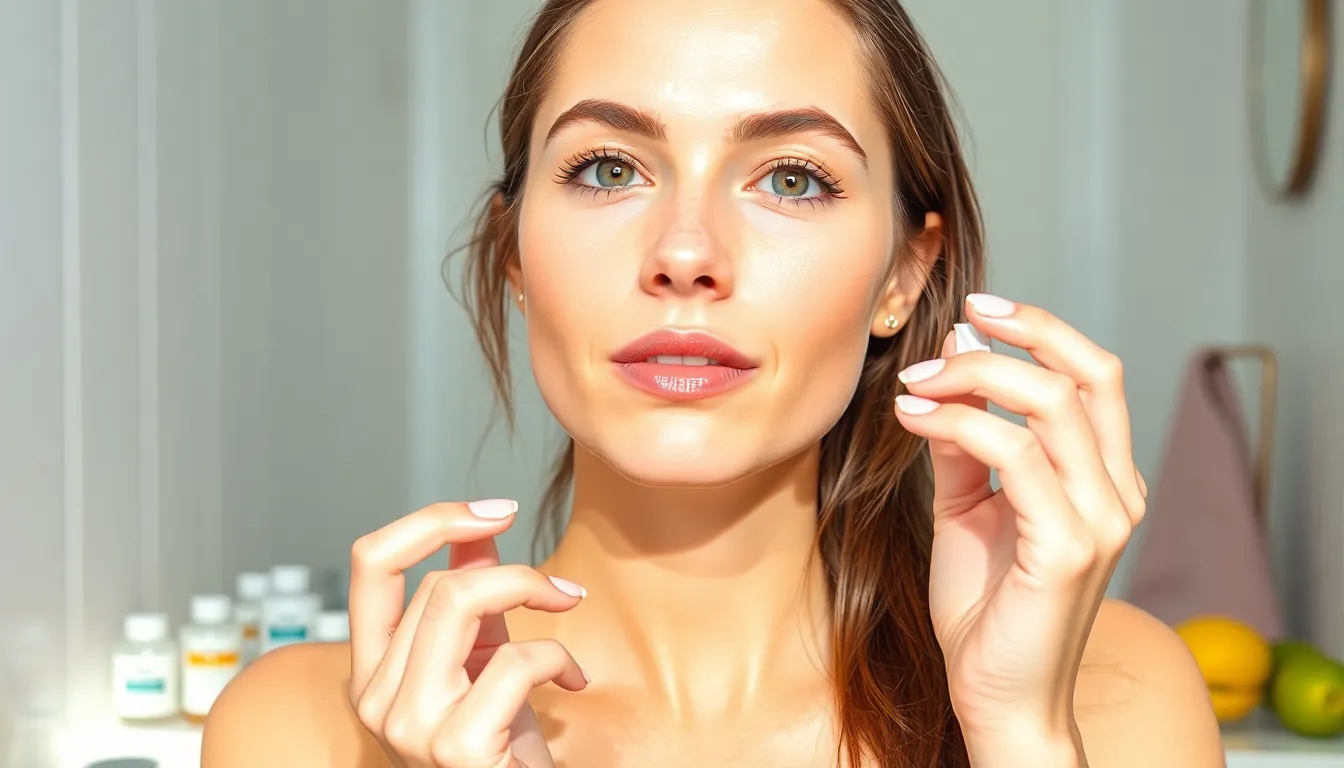
In a world where a selfie can launch a thousand likes, social media beauty trends have taken the beauty industry by storm. From TikTok’s viral makeup hacks to Instagram’s flawless filter game, it’s not just about looking good anymore; it’s about looking good enough to break the internet. Everyone’s in on the action, and if you’re not keeping up, you might just find yourself stuck in the beauty stone age.
Social Media Beauty Trends
Social media platforms significantly shape beauty trends, with TikTok and Instagram leading the way. These platforms showcase viral beauty challenges, innovative makeup techniques, and unique skincare routines. Influencers play a critical role in popularizing specific products and styles, demonstrating their effectiveness through tutorials.
Content creation thrives on user-generated videos, enabling real-time feedback and engagement. Trends often evolve rapidly, with new styles emerging weekly. For instance, the “clean girl” aesthetic embraces minimalism, focusing on natural beauty and subtle makeup. In contrast, bold colors and artistic looks often capture attention and dominate feeds.
Algorithms push trending content to wider audiences, increasing visibility for emerging beauty influencers. This dynamic encourages users to experiment with their looks, often resulting in a blend of various trends. The trend of embracing skin inclusivity has gained momentum, highlighting diverse skin tones and types.
Sustainability also influences contemporary beauty trends, as consumers seek eco-friendly and cruelty-free products. Growing awareness around ingredient transparency drives demand for brands committed to ethical practices. Additionally, augmented reality filters offer virtual try-ons, allowing users to explore new looks effortlessly.
Engagement with beauty communities fosters inspiration and connection, as users share their favorites and personal tips. Hashtags like #SkincareRoutine and #MakeupTransformation create spaces for discussion and discovery. The impact of social media on beauty trends continues to evolve, making it essential for enthusiasts to stay updated in this fast-paced environment.
Popular Trends Influencing Beauty Standards
Social media influences contemporary beauty standards through innovative practices and community engagement. Several trends are leaving a marked impact on the beauty landscape.
Skin Care Routines
Current skincare routines focus on minimalism and efficacy. Influencers advocate products that emphasize hydration and natural ingredients. The rise of skin layering embodies a meticulous approach to hydration, incorporating multiple products for maximum effect. Innovations such as “slugging” are gaining popularity, prioritizing moisture retention overnight. Social media platforms accelerate awareness of diverse skincare brands. Users share personal results, enhancing credibility and encouraging experimentation. Additionally, the demand for sustainability drives the creation of eco-friendly product packaging. Transparency in ingredient sourcing holds brands accountable, fostering consumer trust.
Makeup Techniques
Makeup techniques are evolving rapidly, shaped by viral trends and influencer creativity. The “clean girl” aesthetic prioritizes a fresh, dewy look with minimal product use. Techniques like graphic eyeliner and bold lip colors push traditional boundaries, encouraging artistic expression. Video tutorials on platforms like TikTok showcase unique methods, inspiring users to replicate these looks at home. Airbrush makeup and other high-tech applications gain traction for achieving flawless finishes. Additionally, social media promotes diverse beauty standards, highlighting techniques suitable for various skin tones. Tutorials foster a supportive community, allowing for knowledge sharing and creativity expansion.
Impact of Influencers on Beauty Trends
Influencers significantly shape beauty trends in today’s social media landscape. Their ability to connect with audiences fosters new perceptions and sets standards in the beauty industry.
Authenticity vs. Perfection
Authenticity plays a crucial role in the success of beauty influencers. Audiences increasingly gravitate toward influencers who showcase real-life imperfections. This trend contrasts starkly with the polished images traditionally propagated by mainstream media. Users respond positively to influencers who embrace natural beauty and vulnerability. The rise of such influencers has led to a shift in preferences, promoting relatable content over unattainable perfection. Brands now recognize the power of authentic representation in their marketing strategies. Consequently, beauty trends often emphasize self-acceptance, encouraging individuals to celebrate their uniqueness.
The Rise of Micro-Influencers
Micro-influencers are gaining traction in the beauty community. Their smaller yet dedicated followings foster deeper connections with audiences. Brands partner with these influencers to tap into niche markets. Engagement rates typically soar when promotions involve micro-influencers, as their recommendations feel more genuine. Individuals trust their curated content, resulting in higher conversion rates for beauty products. As authenticity remains paramount, brands increasingly invest in these influencers to promote inclusivity and diverse beauty standards. Social media platforms amplify the visibility of micro-influencers, allowing trends to emerge more organically.
The Role of Platforms in Shaping Trends
Social media platforms play a pivotal role in curating and promoting beauty trends, continuously influencing perceptions in the beauty industry. With each platform driving unique interactions, the impact can be profound.
TikTok’s Viral Challenges
TikTok spearheads viral beauty challenges that captivate millions. Users participate in quick, engaging videos where unique makeup applications or skincare routines gain momentum. Challenges like the “Glow Up” inspire users to share personal transformations, amplifying community interaction. These trends tend to spread rapidly, demonstrating how algorithms favor content that resonates with viewers. TikTok’s short-form format encourages creativity, enabling beauty enthusiasts to showcase unconventional looks and techniques. The immediacy and shareability of these videos contribute to the platform’s role as a trend catalyst within the beauty community.
Instagram’s Visual Aesthetic
Instagram prioritizes visual storytelling, drawing users to aesthetically pleasing content. Influencers and brands curate striking feeds filled with vibrant imagery of beauty products and techniques. The platform emphasizes polished presentations, with high-quality images serving to inspire followers. Hashtags streamline discovery of trending beauty looks and products, facilitating conversations within niche communities. Engaging visual content drives user interaction, further extending the reach of emerging beauty trends. Authenticity also plays a role, as audiences increasingly seek relatable content that balances artistry and real-life beauty experiences. Instagram’s impact on beauty trends remains significant due to its visual nature and community engagement.
Challenges and Criticisms of Beauty Trends
Social media beauty trends face various challenges and criticisms that shape their evolution. The unrealistic beauty standards often portrayed can lead to negative self-image among followers. Many individuals compare themselves to influencers, which can foster feelings of inadequacy and anxiety.
Excessive focus on aesthetics also raises concerns regarding mental health. Regular exposure to heavily edited images may distort perceptions of beauty. Studies indicate that high social media usage correlates with increased rates of anxiety and depression among certain demographics.
Accessibility is another concern. Not all products showcased are budget-friendly, leaving consumers feeling excluded. High costs of trending products can create a divide, as not everyone can afford luxury brands that gain popularity.
Additionally, trend cycles can promote a culture of disposability. The rapid pace at which trends change often encourages consumers to buy and discard products frequently. This behavior contradicts sustainability goals, contributing to environmental challenges.
Moreover, influencer authenticity comes into question. While audiences seek relatable content, some influencers prioritize products that align with paid partnerships over genuine endorsements. This disconnect can lead to distrust among followers who expect transparency.
Finally, cultural appropriation continues to be a significant topic within beauty trends. Some trends adopt styles from various cultures without proper credit or understanding. This practice can perpetuate stereotypes and undermine the cultural significance of those styles.
Overall, these challenges highlight the need for a more responsible approach to beauty trends, considering their impact on individuals and society as a whole.
Conclusion
Social media continues to redefine beauty trends in unprecedented ways. The rapid evolution of aesthetics and techniques reflects a dynamic landscape where creativity and inclusivity thrive. As individuals engage with these platforms they not only discover new styles but also connect with communities that celebrate diverse expressions of beauty.
While the influence of social media can inspire and empower, it’s essential to navigate these trends mindfully. A focus on authenticity and sustainability can help foster a healthier relationship with beauty standards. Embracing real-life imperfections and prioritizing ethical practices will contribute to a more inclusive beauty culture that resonates with everyone.