

In a world where technology reigns supreme, digital circuit design is the unsung hero behind every gadget that makes life easier—or at least more entertaining. From smartphones to smart fridges, these intricate circuits are the brains that keep everything running smoothly. But don’t let the technical jargon scare you away; understanding digital circuit design can be as fun as binge-watching your favorite series—minus the popcorn.
Digital Circuit Design
Digital circuit design serves as a crucial aspect of modern technology. It builds the foundation for devices, including smartphones, smart fridges, and computers. Understanding digital circuits allows for the creation of complex systems that process information efficiently. Components in digital circuit design include logic gates, flip-flops, and multiplexers, each playing a vital role.
Logic gates perform basic operations such as AND, OR, and NOT. They combine to create more complex functions. Circuits can represent binary values, enabling devices to perform calculations and store data. Flip-flops provide memory, allowing circuits to retain information even when power is turned off.
Designing digital circuits involves various methodologies. Engineers often use hardware description languages (HDLs) like VHDL or Verilog. These languages simplify the design process, enabling the simulation and testing of circuits before physical implementation. Simulation software helps visualize outputs based on different inputs, ensuring functionality.
Optimization remains a key goal during the design process. Designers focus on reducing power consumption while maximizing speed and performance. Techniques such as clock gating and pipelining improve efficiency without sacrificing the integrity of the circuit’s operations.
Applications of digital circuit design span numerous industries. These include telecommunications, automotive systems, and consumer electronics. The continuous advancement in digital technologies drives innovation, making study in this field both rewarding and essential for future developments.
Learning and exploring digital circuit design opens doors to exciting career opportunities, fueling interest in areas like artificial intelligence and Internet of Things (IoT) devices. The journey begins with foundational knowledge and evolves into mastering complex implementations that shape modern life.
Key Components of Digital Circuits
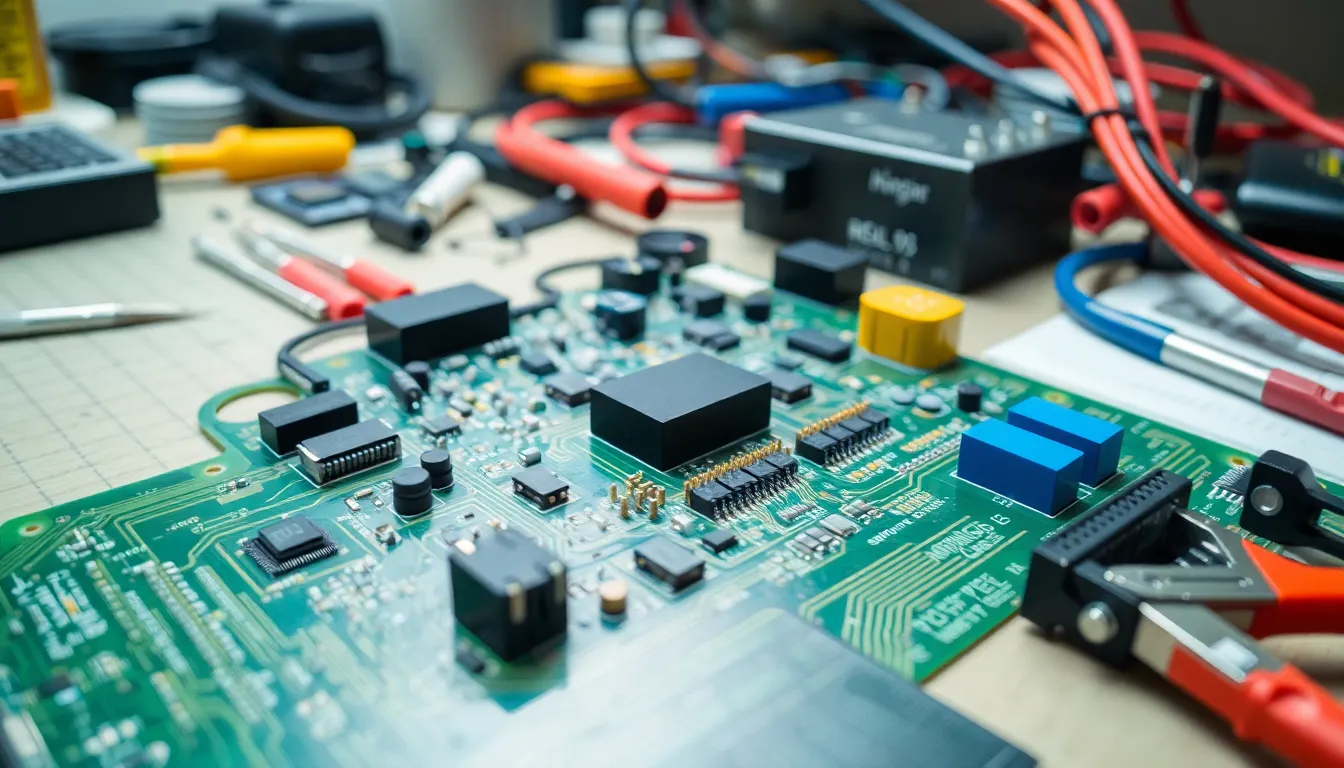
Key components form the backbone of digital circuit design, enabling the creation of efficient electronic devices. Understanding these elements leads to mastery of complex information processing systems.
Logic Gates
Logic gates perform fundamental operations in digital circuits. AND, OR, and NOT gates handle binary inputs to produce specific outputs. Designers combine these gates to create more complex functions, forming the basis for arithmetic and decision-making processes. Integrating multiple gates allows engineers to develop intricate circuit architectures. Every digital device, from calculators to smartphones, relies on these operations to function correctly.
Flip-Flops
Flip-flops serve as crucial memory elements in digital circuits. These devices store binary data, holding information temporarily or indefinitely. Clock signals trigger flip-flops, determining when data is read or written. Engineers use various types, such as D flip-flops and T flip-flops, for different applications. Each type has unique characteristics that suit specific needs, making flip-flops essential in registers and memory units. Their reliable memory storage enables systems to maintain state information, crucial for performance in many digital applications.
Design Methods and Techniques
Digital circuit design employs various methods and techniques that enhance efficiency and accuracy. These approaches facilitate the creation of reliable and intricate systems.
Schematic Design
Schematic design involves creating graphical representations of electronic circuits. Designers use symbols to represent components like resistors and capacitors, ensuring clarity and ease of understanding. Complex systems often utilize hierarchical designs, which allow for manageable sections within larger schematics. This method helps identify connections and functionality efficiently, serving both as a blueprint and a communication tool. Moreover, schematic designs enable quick validation of circuit concepts before physical implementation, reducing errors and saving time during development.
Hardware Description Languages
Hardware description languages (HDLs) streamline digital circuit design through structured coding. VHDL and Verilog emerge as the most commonly used HDLs, each offering unique syntax and advantages. With HDLs, designers describe hardware behavior, facilitating simulation and testing processes. Rapid iteration becomes possible as modifications in code translate directly to design changes. Testing early in the design stages identifies functional issues, ensuring timely corrections. Additionally, the ability to generate synthesis-ready code from HDL descriptions allows for seamless transitions from design to manufacturing, empowering engineers to realize complex digital systems efficiently.
Simulation and Testing
Simulation and testing form critical aspects of digital circuit design. They ensure that circuits perform as intended before physical implementation.
Simulation Tools
Simulation tools assist designers in evaluating circuit behavior under various conditions. Programs such as ModelSim and LTspice provide environments for running simulations effectively. Designers observe the output of logic gates and flip-flops, ensuring accurate operation. Additionally, these tools help identify potential issues early, allowing for timely corrections. Using simulation, designers can refine their circuits by trying different configurations quickly. Ultimately, choosing the right tool streamlines the design process and enhances productivity.
Testing Techniques
Testing techniques validate circuit functionality and reliability. Common methods include functional testing, timing analysis, and power analysis. During functional testing, designers check whether circuits meet specifications by applying various input patterns. Timing analysis assesses whether signals propagate correctly within specified timeframes. Power analysis measures consumption, ensuring circuits operate efficiently. Each technique reveals critical information about circuit performance. Incorporating these testing methods reduces the risk of errors and enhances overall circuit quality before deployment.
Applications of Digital Circuit Design
Digital circuit design plays a pivotal role across numerous industries, driving innovation and functionality in everyday technology.
Consumer Electronics
Consumer electronics benefit immensely from digital circuit design, enabling the development of gadgets like smartphones and tablets. Engineers rely on integrated circuits to manage tasks efficiently, enhancing user experience through faster processing and reduced power consumption. For instance, digital signal processors in audio devices ensure superior sound quality while conserving battery life. Additionally, smart appliances utilize digital circuits to offer features like energy monitoring and remote control capabilities. These advancements, powered by meticulous design processes, continue to shape how consumers interact with technology.
Industrial Automation
Similarly, digital circuit design significantly impacts industrial automation, enhancing operational efficiency in manufacturing and production. Programmable logic controllers (PLCs) utilize digital circuits to control machinery with precision, ensuring seamless production flow. Sensors, integrated into these digital systems, provide real-time data on equipment performance, enabling predictive maintenance and reducing downtime. Furthermore, digital circuits facilitate communication between machines, enhancing synchronization and workflow management. This transformative effect on industries demonstrates the importance of digital circuit design in optimizing operations and driving productivity.
Conclusion
Digital circuit design stands as a cornerstone of modern technology shaping the way devices function and interact. Its principles not only drive innovation across various industries but also empower individuals to explore exciting career paths. As the demand for smarter gadgets and efficient systems grows, mastering digital circuit design becomes increasingly vital.
Through a combination of theoretical knowledge and hands-on experience with tools like HDLs and simulation software, aspiring designers can contribute to groundbreaking advancements. Embracing this field offers not just a deeper understanding of technology but also the chance to be part of a transformative journey that continues to redefine the future.