

In the age of social media, food has transformed into more than just a meal; it’s a spectacle. From rainbow bagels to whipped coffee, these trends have taken over feeds and appetites alike. Who knew that a simple avocado could become the star of a viral sensation? It’s like foodies are competing in the Olympics of culinary creativity, and everyone wants a gold medal for the most Instagrammable dish.
Social Media Food Trends
Social media has transformed food culture into a showcase of aesthetics and creativity. Platforms like Instagram and TikTok fuel the popularity of visually striking dishes. Trends such as rainbow bagels and whipped coffee demonstrate this shift towards vibrant presentation.
Food enthusiasts compete to create viral content, striving for that perfect shot. Many users invest time in curating their feeds with enticing imagery, turning meals into art. Events like the rise of cloud bread have showcased how simple ingredients can become the centerpiece of trending recipes.
Content creators share recipes and cooking hacks in engaging formats, encouraging users to participate. The appeal of wellness and health trends has grown, with dishes like smoothie bowls gaining traction. Sustainability forms another key trend, with plant-based foods featuring prominently across social media platforms.
Engagement remains crucial, with hashtags allowing for the discovery of new food movements. Challenges like “30 Days of Vegan” encourage users to explore and share meal ideas. Social media drives food trends while fostering community interaction, connecting individuals through their culinary passions.
With these dynamic developments, food routines have evolved into a platform for self-expression. Users now prioritize not just flavor but also the visual impact of their meals. Overall, social media continually shapes the culinary landscape, creating new movements with each trending dish.
Popular Trends in 2023
Social media continues to dictate food trends, shaping how individuals experience and share culinary delights. In 2023, several notable trends have emerged.
Plant-Based Diets
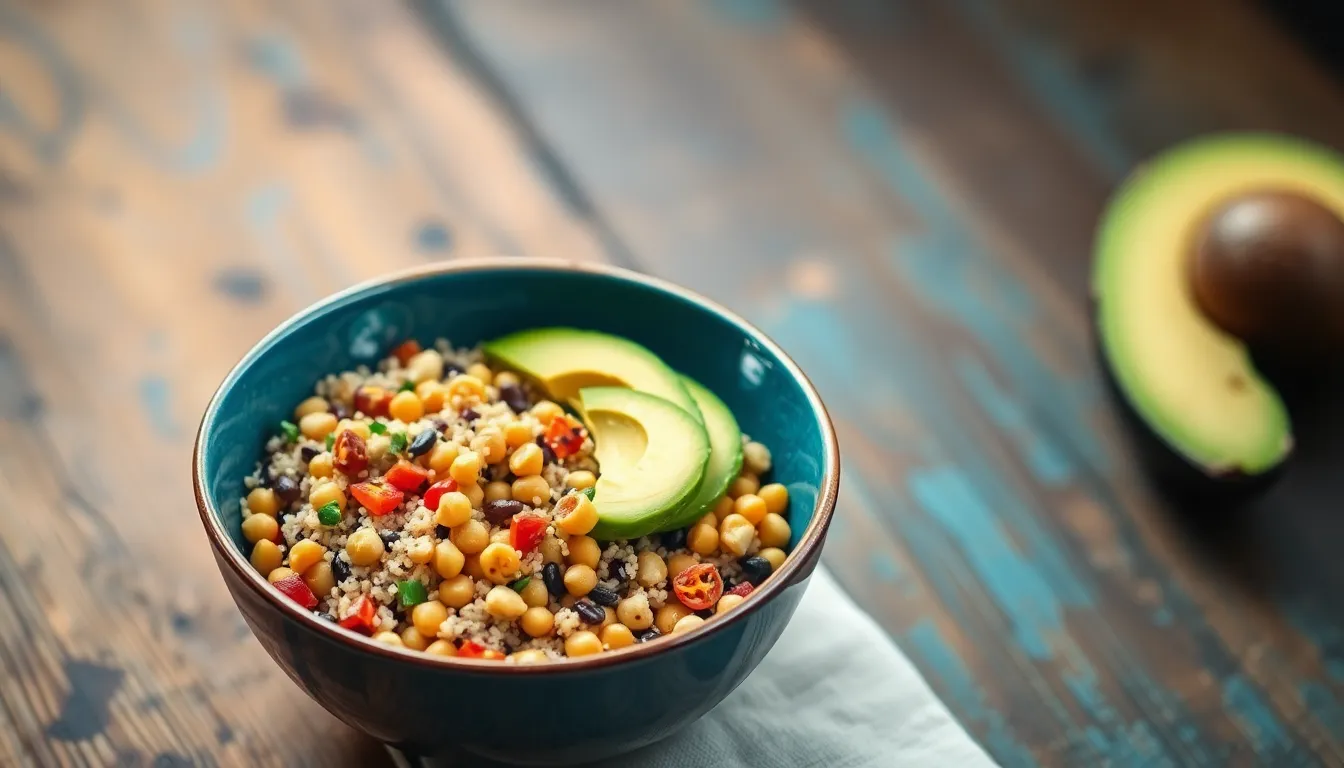
Plant-based diets rise in popularity as health and environmental awareness increase. Many individuals embrace vegan and vegetarian options, opting for creativity in their meals. Recipes featuring ingredients like quinoa, chickpeas, and avocados dominate social media platforms. Influencers promote plant-based meals that are visually appealing and nutritious. Posts showcase colorful bowls filled with vibrant fruits and vegetables, attracting users’ attention. Engagement around hashtags like #PlantBased and #VeganEats amplifies the movement’s reach. Many restaurants now include plant-based items in their menus, appealing to a broader audience.
Cloud Kitchens
Cloud kitchens represent a shift in the restaurant industry, focusing on delivery and takeout. Also known as ghost kitchens, these establishments operate without dine-in space to reduce overhead costs. Chefs develop menus specifically for delivery, targeting food enthusiasts who prefer convenience. Many cloud kitchens leverage social media for marketing, showcasing enticing dishes through visually stimulating content. Packed meals and snack options are designed for sharing on platforms like Instagram and TikTok. Visibility through location-based hashtags helps these kitchens thrive in an increasingly competitive market.
Comfort Foods Reimagined
Comfort foods undergo a transformation, with traditional recipes getting modern twists. Classic dishes, like mac and cheese, receive updates featuring gourmet ingredients or unexpected flavors. Individuals share personal touches on nostalgic meals, creating visually striking versions that capture attention online. Popular items include loaded nachos or dessert-inspired pizzas, appealing to a wide range of tastes. Engagement through food challenges encourages users to recreate these dishes, fostering community interaction. Sharing these rejuvenated recipes emphasizes creativity, blending comfort with innovation in dining experiences.
The Role of Influencers
Influencers significantly shape social media food trends. Their reach and engagement drive consumer choices, encouraging followers to try new dishes and products.
Impact on Consumer Choices
Influencers sway consumer preferences through visually appealing content. Brightly colored smoothie bowls or reimagined comfort foods spark interest and inspire experimentation in home cooking. Research shows that 70% of consumers trust influencer recommendations for food choices. Followers often recreate popular dishes featured online, leading to viral food trends with mass appeal. As influencers highlight plant-based diets driven by health benefits, more individuals opt for vegetarian or vegan options. The authentic connection many influencers build with their audience enhances their impact, making consumers more likely to embrace featured trends.
Collaborations with Brands
Brands frequently collaborate with influencers for strategic marketing. These partnerships create authentic content showcasing products in relatable contexts. Influencers use their platforms to highlight brand values, such as sustainability or health awareness, resonating with their audience. Successful collaborations yield increased engagement, often resulting in higher sales. In 2023, brands focus on influencers advocating for healthy food choices and culinary creativity. By crafting visually appealing campaigns, they enhance visibility and establish a connection with consumers. Such collaborations not only promote products but also reinforce emerging food trends, making collaboration a vital aspect of brand strategy in the culinary landscape.
Emerging Platforms for Food Trends
Social media platforms play a pivotal role in shaping food trends, with emerging sites capturing the attention of food enthusiasts and influencers alike.
TikTok’s Influence
TikTok drives food trends through its short-form video format, allowing users to quickly showcase recipes and cooking hacks. Viral challenges, such as the “Pasta Chips” trend, demonstrate how easily unique culinary ideas can capture massive attention. Creators leverage captivating visuals and engaging storytelling, making dishes more appealing to the audience. The platform’s algorithm fosters rapid dissemination, leading to overnight sensations among food items. Users often replicate trending recipes, incorporating their twists to add personal flair. Research shows that TikTok influences the food buying decisions of over 60% of users, emphasizing its growing impact.
Instagram’s Visual Appeal
Instagram prioritizes stunning imagery, making it an ideal platform for food showcases. This visual-centric approach allows food enthusiasts to curate aesthetically pleasing feeds that highlight their culinary creations. Savory dishes and eye-catching desserts are often immortalized through beautiful photography, drawing the attention of potential followers. Engagement hinges on the use of relevant hashtags, enabling users to discover trending recipes and food movements. The latest trends leverage Instagram Stories and Reels, fostering real-time interaction and immediate feedback. Influencers share authentic content, which resonates with audiences and encourages them to try new dishes, making Instagram a significant player in the food trend landscape.
Conclusion
Social media’s influence on food trends is undeniable. It’s transformed meals into visual experiences that captivate audiences and drive culinary creativity. As platforms evolve so do the trends that emerge from them. Food enthusiasts are not just sharing meals but are crafting narratives that resonate with their followers.
The rise of plant-based diets and comfort food reinventions reflects a growing awareness of health and sustainability. Influencers play a crucial role in shaping these trends by engaging their audiences and encouraging them to explore new culinary horizons. As the landscape continues to shift, the intersection of food and social media will remain a vibrant space for innovation and community connection.