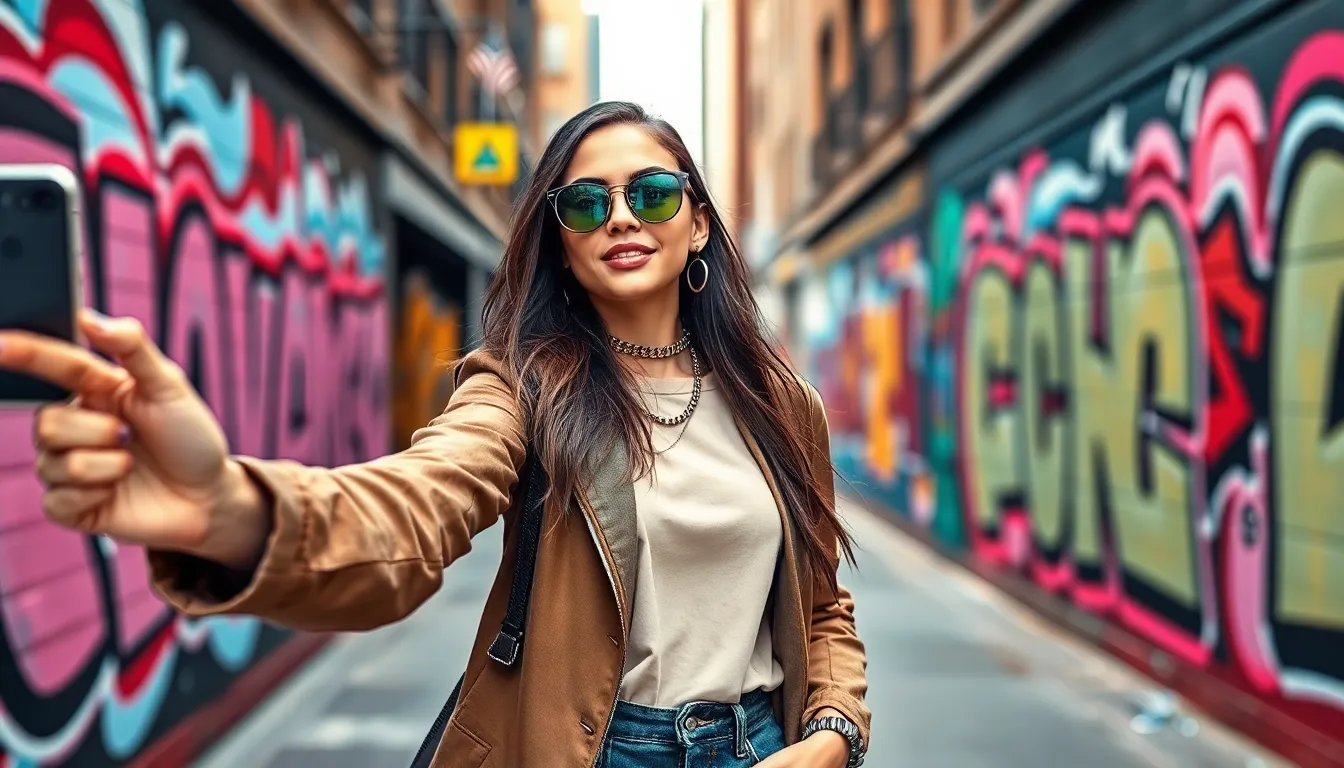
In a world where a single hashtag can spark a fashion revolution, social media has become the runway for style-savvy trendsetters. From TikTok to Instagram, influencers are redefining what it means to be fashionable, one viral post at a time. Gone are the days of waiting for fashion week; now, the latest looks are just a scroll away, and they come with a side of wit and whimsy.
Social Media Fashion Trends
Social media continuously shapes fashion trends in dynamic ways. Platforms such as TikTok and Instagram ignite interest with visually driven content that captivates audiences. Influencers play a crucial role in democratizing fashion by showcasing looks and styles to diverse followers. Viral challenges often dictate seasonal trends, demonstrating how quickly styles can gain traction online.
User-generated content has changed how brands engage with consumers. Companies now prioritize collaborations with social media personalities to enhance visibility. Authenticity in posts cultivates connections, making consumers feel more invested in the brands they support.
Immediate feedback from followers impacts trend longevity, with likes and comments acting as indicators of popularity. Trends, ranging from sustainable fashion to Y2K aesthetics, emerge rapidly, reflecting the interests of the audience.
Data highlights that fashion-related hashtags dominate social media conversations, attracting millions of views. Brands find value in analyzing these trends, leading to targeted marketing campaigns. The power of storytelling through fashion narratives also enhances user engagement.
Moreover, seasonal fashion weeks shift focus from traditional runway shows to innovative online showcases. Live streaming events and fashion drops generate excitement, inviting real-time interaction from fans. As a result, the fashion industry experiences a balance of creativity and commerce, driven by social media engagement.
Influential Platforms
Fashion trends heavily rely on social media platforms, shaping how styles emerge and spread in real-time. Key players like Instagram and TikTok drive this evolution, each offering unique ways to engage with audiences.
Instagram’s Impact on Fashion
Instagram serves as a visual storytelling platform that influences fashion aspirations. Influencers leverage high-quality images, creating aesthetically pleasing feeds that showcase curated outfits and innovative styles. Brands collaborate with these personalities to reach targeted demographics effectively. Hashtags such as #OOTD and #FashionInspo amplify visibility, helping users discover new trends. Immediate engagement through likes and comments fosters a dynamic community where users feel connected to both influencers and brands. Authenticity matters, with followers appreciating genuine content over overly polished images.
TikTok and Its Viral Trends
TikTok stands out due to its fast-paced nature and viral potential. Creative short videos allow users to showcase their outfits in catchy, entertaining formats. Viral challenges, such as dance or styling competitions, inspire users to replicate and share their interpretations. The algorithm favors trending content, meaning styles can gain momentum rapidly. User-generated content enables a playful exchange of ideas, leading to broader trend adoption. This interactive environment fosters community participation, with users supporting each other’s fashion choices. Brands increasingly utilize TikTok for marketing, recognizing its ability to drive engagement and create buzz around new releases.
Key Trends in the Industry
Social media continues to redefine fashion trends, with key movements gaining traction online.
Sustainable Fashion
Sustainable fashion emphasizes eco-friendly materials and ethical production methods. Brands like Reformation and Patagonia showcase environmentally conscious collections, resonating with socially aware consumers. The rise of thrift shopping correlates with increased interest in reducing waste. Influencers often promote conscious choices, further amplifying the sustainability message. Hashtags such as #SustainableFashion facilitate community discussions, encouraging consumers to share their eco-friendly finds and practices.
Vintage and Thrift Trends
Vintage and thrift shopping experiences saw a surge, driven by social media platforms. Thrifting enables consumers to find unique pieces while supporting sustainable practices. Influencers frequently showcase thrifted outfits, inspiring followers to hunt for vintage treasures. Popularity of vintage style hashtags like #ThriftedFashion sparks a community dedicated to secondhand shopping. As a result, brick-and-mortar thrift stores and online marketplaces like Depop thrive, allowing fashion lovers to express individuality.
Bold Prints and Colors
Bold prints and colors dominate the fashion scene, inspired by influencers’ vibrant aesthetic. Social media feeds filled with striking patterns capture attention, demonstrating that fashion can be expressive and fun. Seasonal trends highlight everything from tie-dye to geometric shapes, showcasing diversity in personal style. Brands often collaborate with influencers to launch limited-edition collections featuring eye-catching designs. As these bright styles gain popularity, enthusiastic followers participate in fashion challenges centered on unique prints.
The Role of Influencers
Influencers play a crucial role in shaping fashion trends on social media platforms, guiding style choices and enhancing brand visibility. Their ability to connect with audiences creates a bridge between consumers and brands.
Micro-Influencers vs. Macro-Influencers
Micro-influencers command smaller, targeted audiences, often leading to higher engagement rates. These influencers typically foster a sense of community and trust among their followers, making their endorsements feel more genuine. Macro-influencers, in contrast, boast large followings and broader reach, contributing to rapid brand visibility. They often collaborate with high-profile brands that seek widespread exposure. Both types of influencers impact fashion trends, with micro-influencers frequently introducing niche styles while macro-influencers popularize mainstream fashion.
Authenticity in Fashion Promotion
Authenticity resonates deeply in fashion promotion on social media. Followers appreciate transparency and genuine experiences, meaning influencers’ honest reviews influence purchasing decisions. Brands benefit from collaborations with influencers who align with their values and aesthetics, creating an organic feel in promotions. Successful campaigns often focus on storytelling rather than overt selling. Influencers who share their personal journeys in styling foster deeper connections with their audience, cultivating brand loyalty. Authenticity remains paramount as consumers increasingly seek relatable content over polished advertisements.
Conclusion
Social media’s influence on fashion trends is undeniable. The shift from traditional methods to dynamic online platforms has redefined how styles emerge and evolve. Influencers play a crucial role in this landscape, making fashion more accessible and engaging for audiences worldwide.
As the industry embraces sustainability and individuality, social media continues to democratize fashion. The rise of vintage shopping and bold aesthetics reflects a growing desire for authenticity and creativity. This vibrant community thrives on collaboration and real-time interaction, ensuring that fashion remains an ever-evolving expression of personal style.